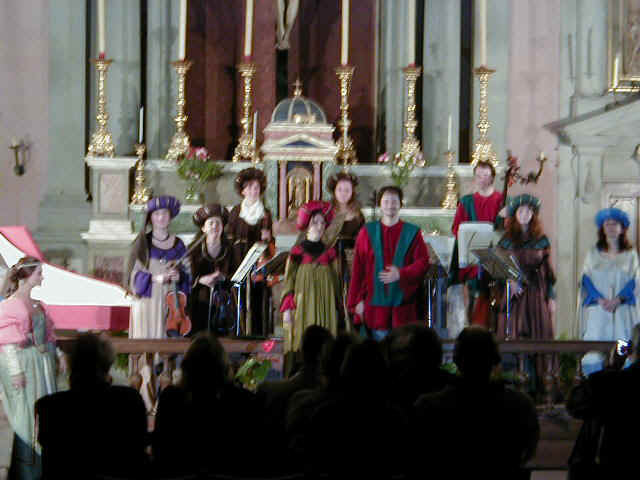
 Concert on period instruments
April 5 - Florence
Concert on period instruments
 Beautifully crafted door
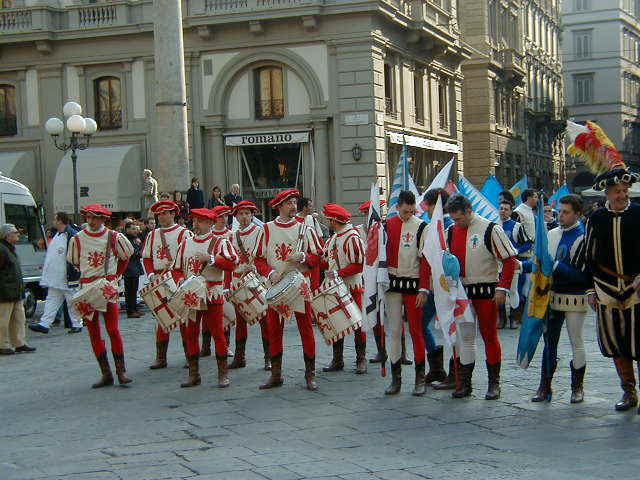
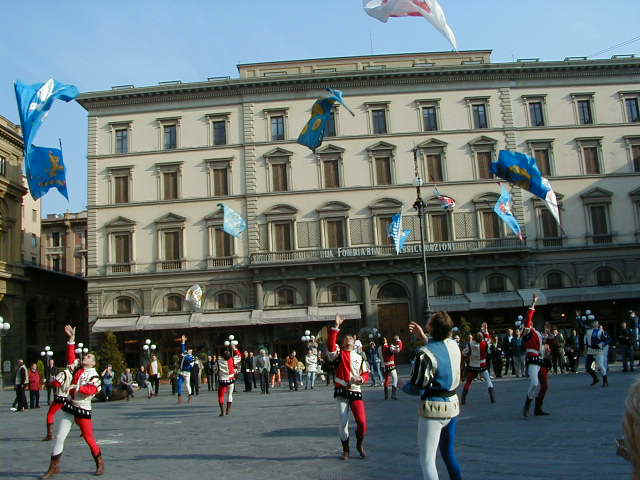
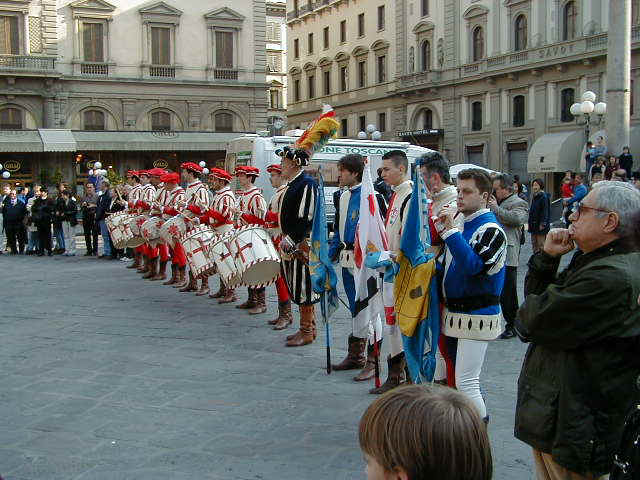
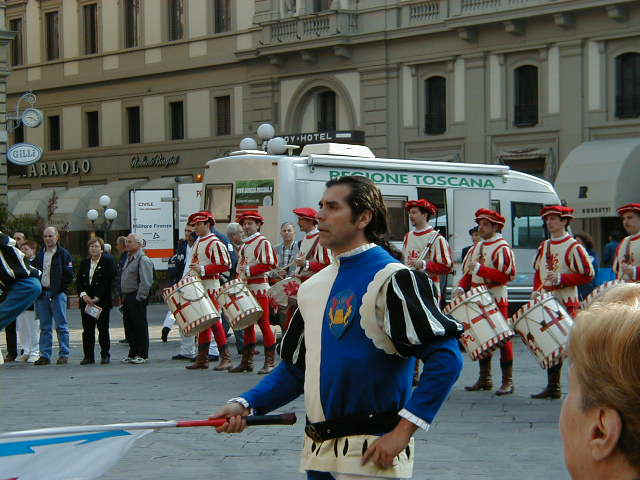
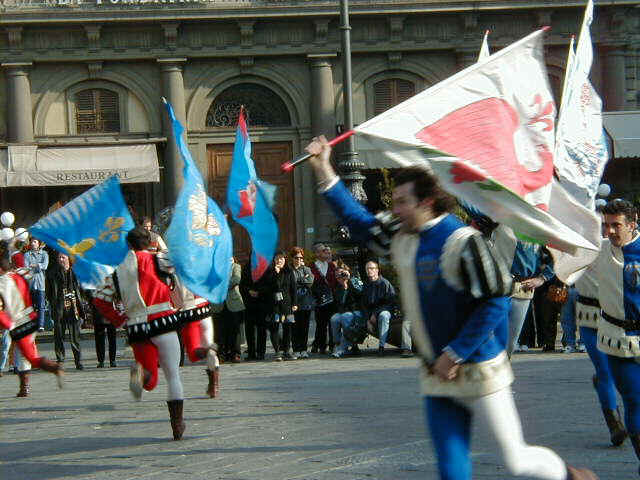 Flag display before church Easter morning
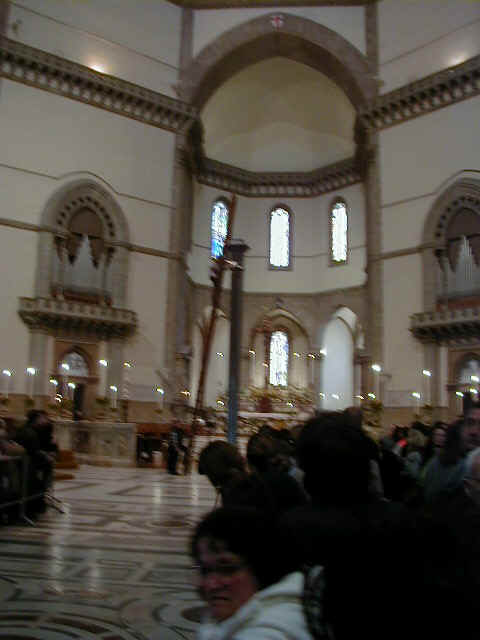
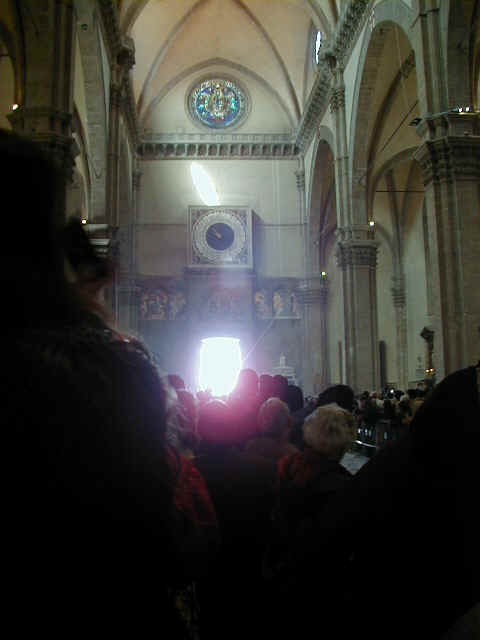 My assumptions that Roman Catholics parishioners were compensated for
enduring the church's muddled theology with a rich and aesthetically attractive
worship was entirely destroyed by the Duomo's utterly contemporary extravaganza Easter
morning. The large pole you see near the alter was used to support a cable which was
tethered to a large fireworks display outside the front door of the church. At a
high moment of excitement in the service, this dove came alive with three rockets attached
under its back tail which propelled it out the front door of the church. Upon its
exit, another rocket powered dove flew back into the church, hit the pole and exploded
into a brilliant show of fireworks to the uproarious applause of the audience.
"Magnifique!" was heard throughout the crowd.
My assumptions that Roman Catholics parishioners were compensated for
enduring the church's muddled theology with a rich and aesthetically attractive
worship was entirely destroyed by the Duomo's utterly contemporary extravaganza Easter
morning. The large pole you see near the alter was used to support a cable which was
tethered to a large fireworks display outside the front door of the church. At a
high moment of excitement in the service, this dove came alive with three rockets attached
under its back tail which propelled it out the front door of the church. Upon its
exit, another rocket powered dove flew back into the church, hit the pole and exploded
into a brilliant show of fireworks to the uproarious applause of the audience.
"Magnifique!" was heard throughout the crowd.
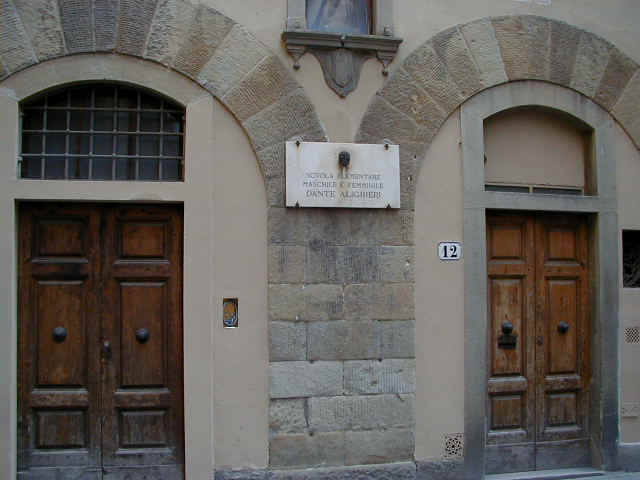 Dante's school
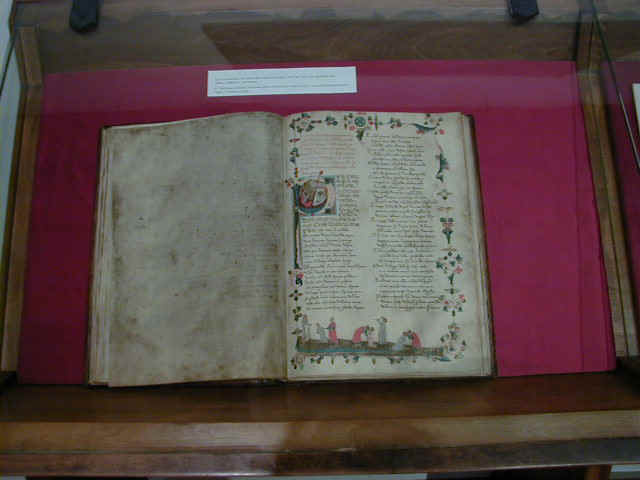 Trivulziano's 1337 Codex of the Divine Comedy
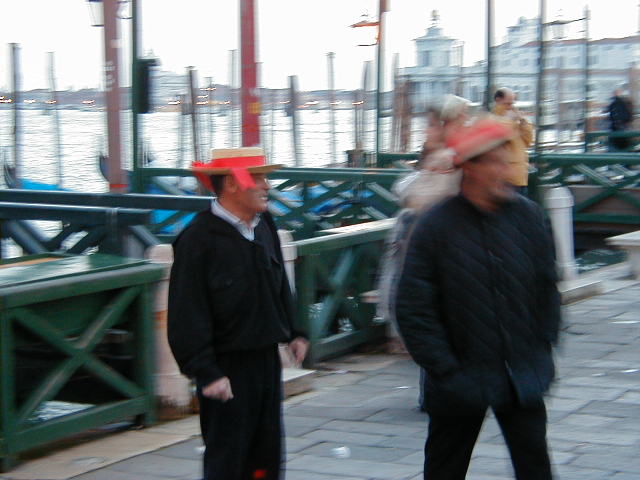
Venice
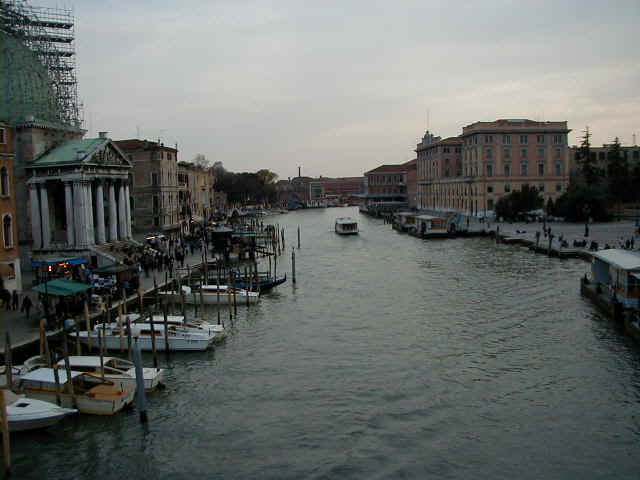
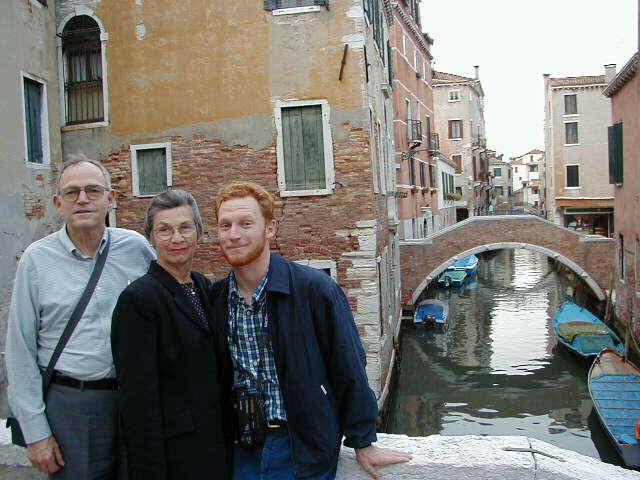
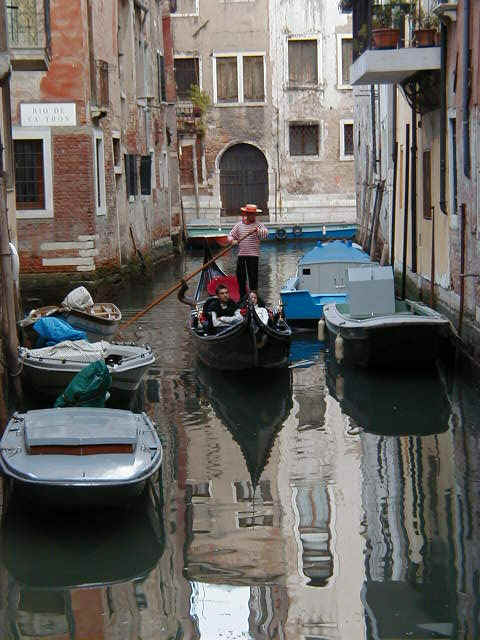
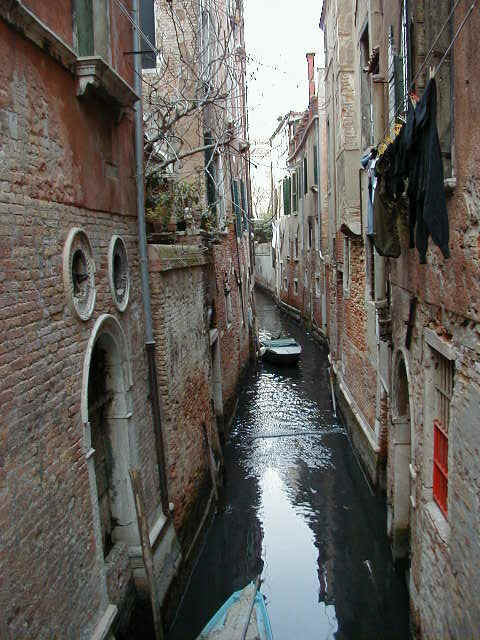
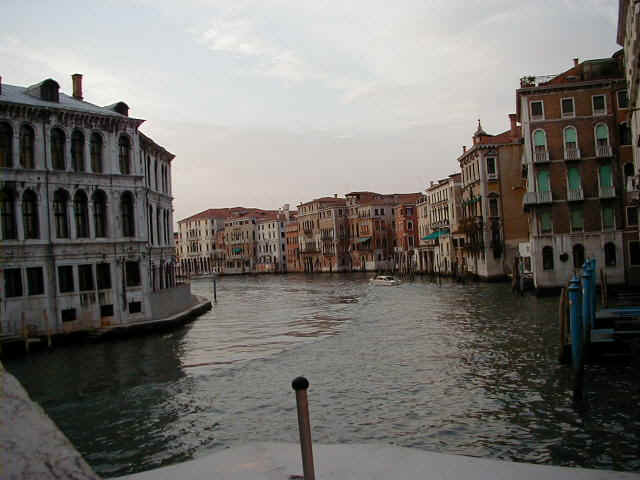 Venetian canals
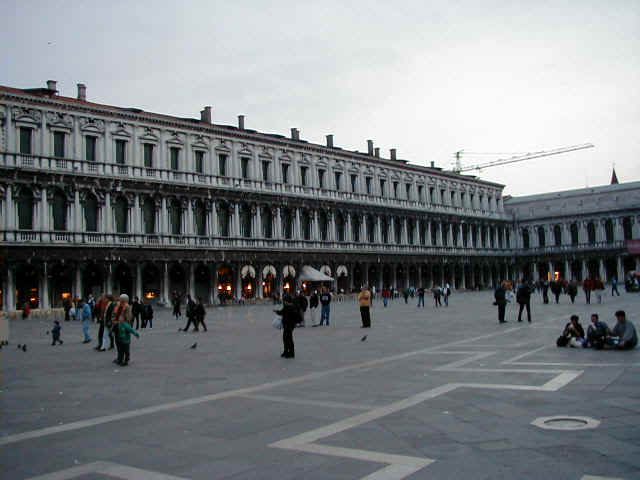
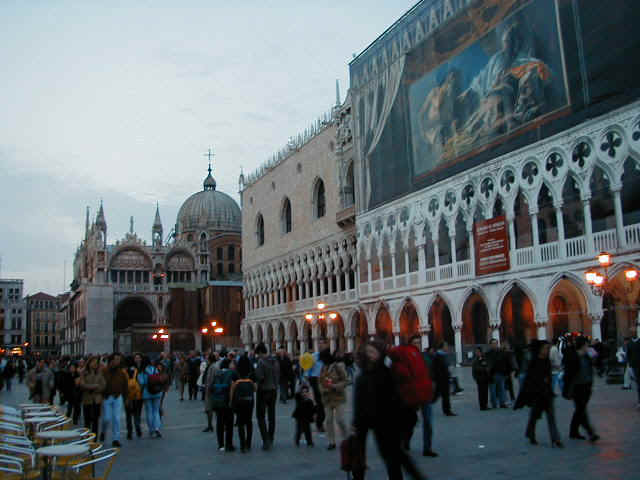
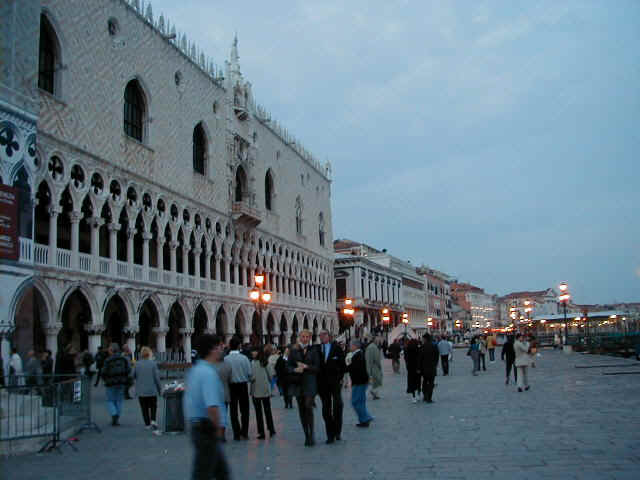
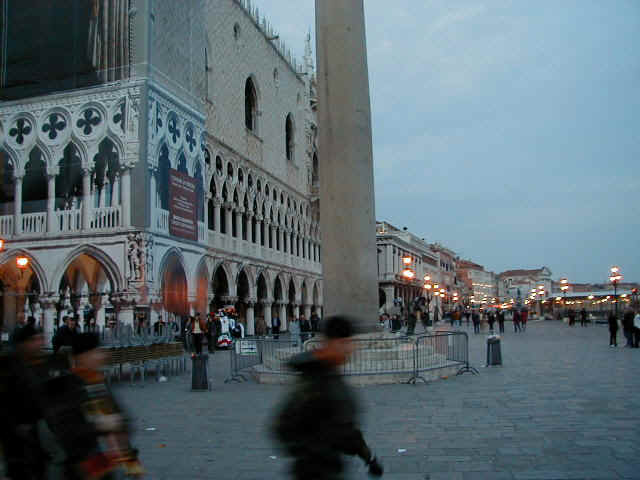 Views of the
Doge's palace
Views of the
Doge's palace
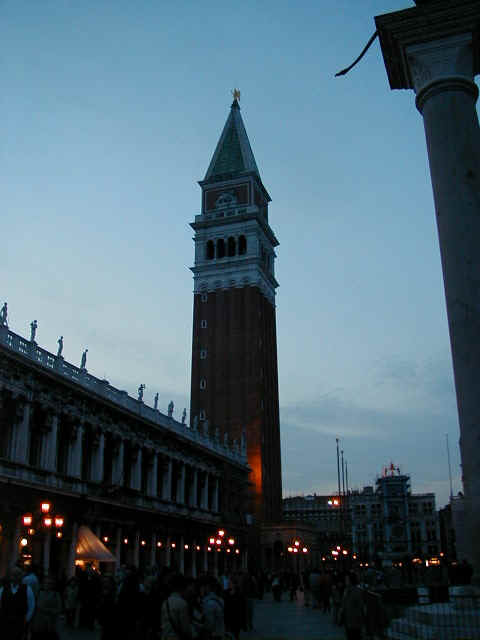
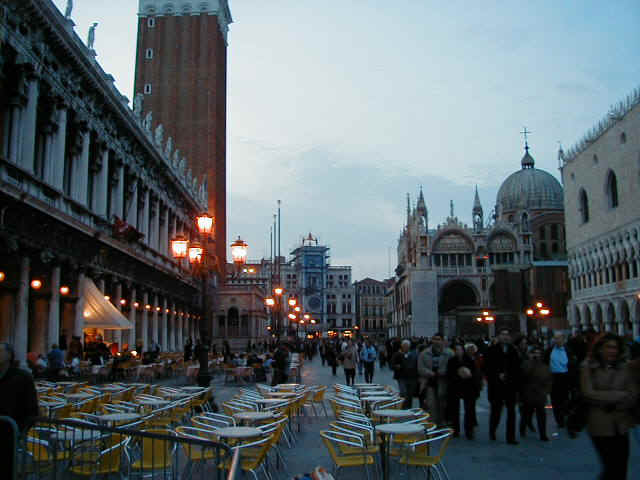 Views of the Campanile
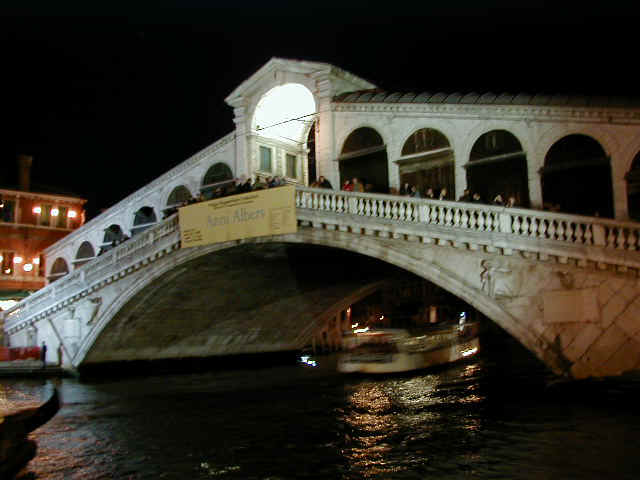 Bridge over the Grand Canal
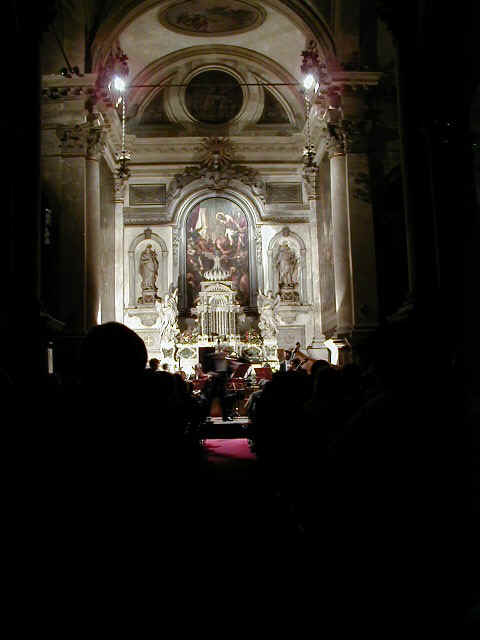 Vivaldi concert in Venice
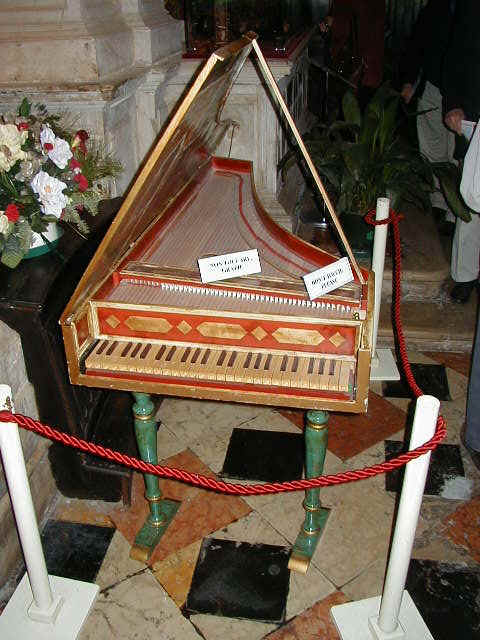 Ancient harpsichord
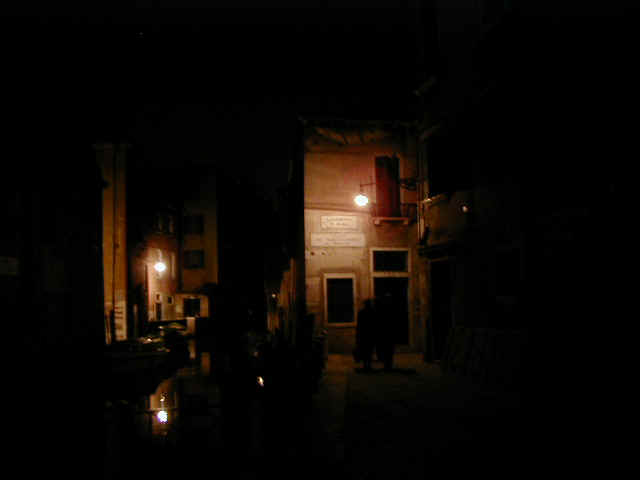 While we were walking back from the Vivaldi
concert, we found how dark Venice can get. If you are in a rush to get anywhere,
Venice is an absolutely infuriating maze of twisted streets and odd alleyways. If
you are willing to let yourself get lost in the experience, it will truly make you feel
you have stepped back in time. The city has never allowed automobile traffic, so the
streets were never widened to accommodate them. The streets are often barely wide
enough for three people to walk abreast and the map of the city looks like a plate of
spaghetti yet without the organization.
While we were walking back from the Vivaldi
concert, we found how dark Venice can get. If you are in a rush to get anywhere,
Venice is an absolutely infuriating maze of twisted streets and odd alleyways. If
you are willing to let yourself get lost in the experience, it will truly make you feel
you have stepped back in time. The city has never allowed automobile traffic, so the
streets were never widened to accommodate them. The streets are often barely wide
enough for three people to walk abreast and the map of the city looks like a plate of
spaghetti yet without the organization.
Athens
 Can you read this?
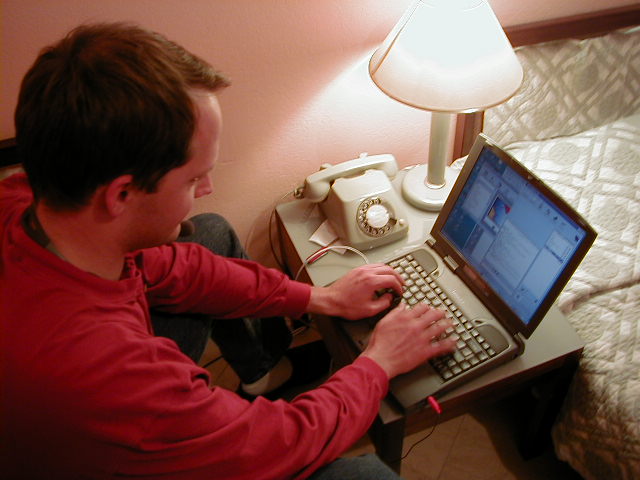 Connecting to Mr. Callihans class from a hotel on
the Peloponnessian isthmus near Corinth.
Connecting to Mr. Callihans class from a hotel on
the Peloponnessian isthmus near Corinth.
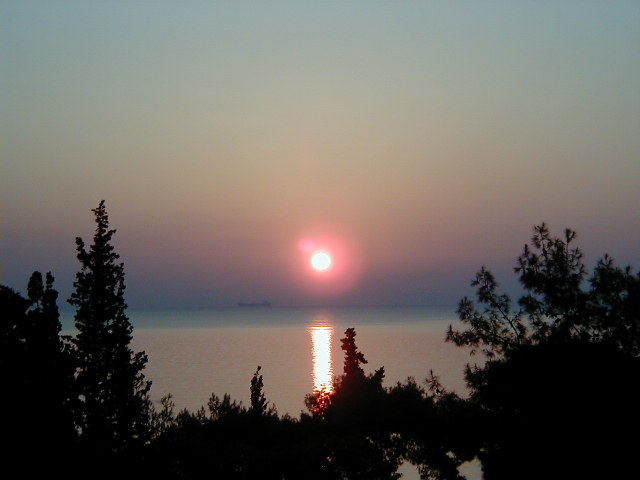 Sunrise over the Aegean
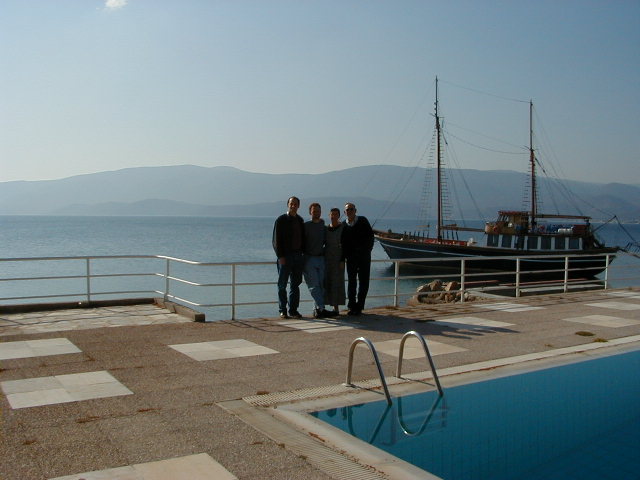 Germans in Greece
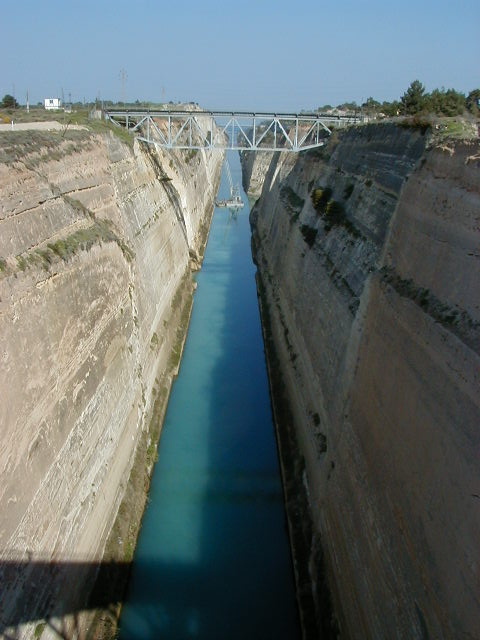
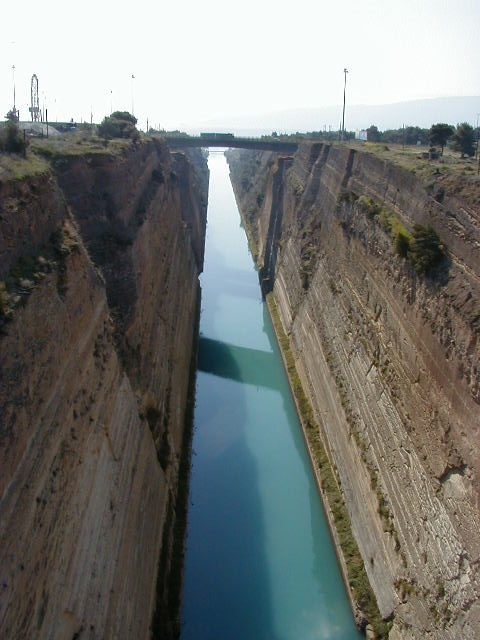 The channel through the Isthmus. In the picture on the left you can
see the Adriatic Sea and in the picture on the right you can see the Aegean.
The channel through the Isthmus. In the picture on the left you can
see the Adriatic Sea and in the picture on the right you can see the Aegean.
Ancient Corinth
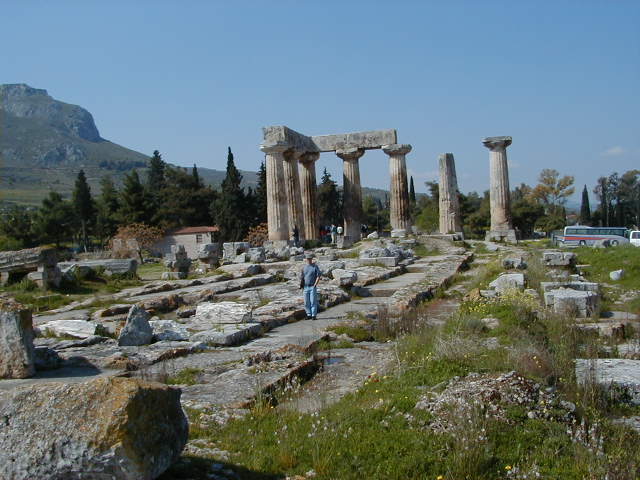
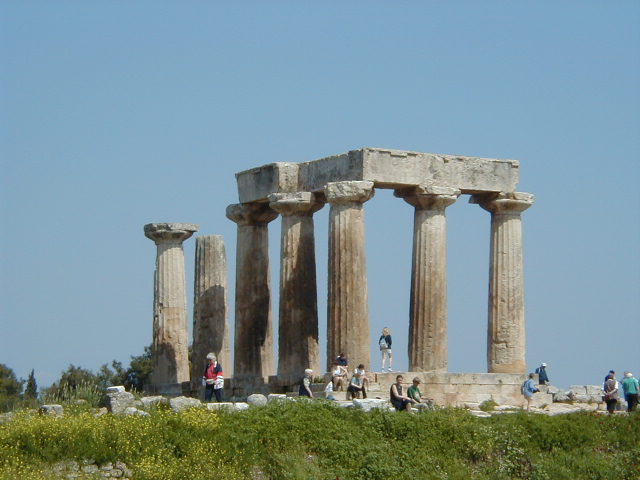 Temple of Apollo
 Dad tries his hand at the column lift. I did
not watch him the whole time, but I don't think he was successful.
Dad tries his hand at the column lift. I did
not watch him the whole time, but I don't think he was successful.
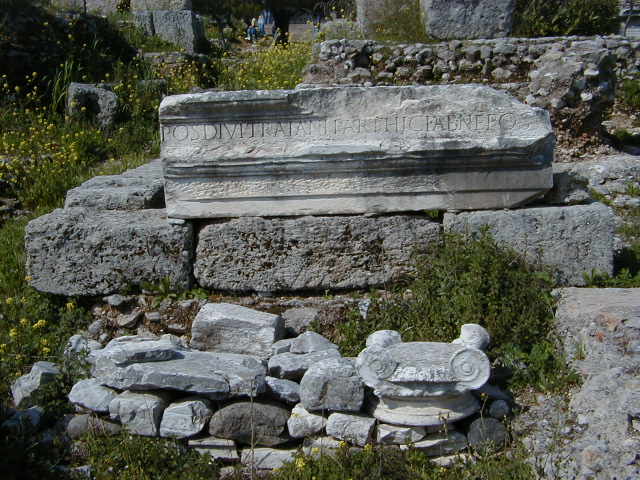 Latin inscription
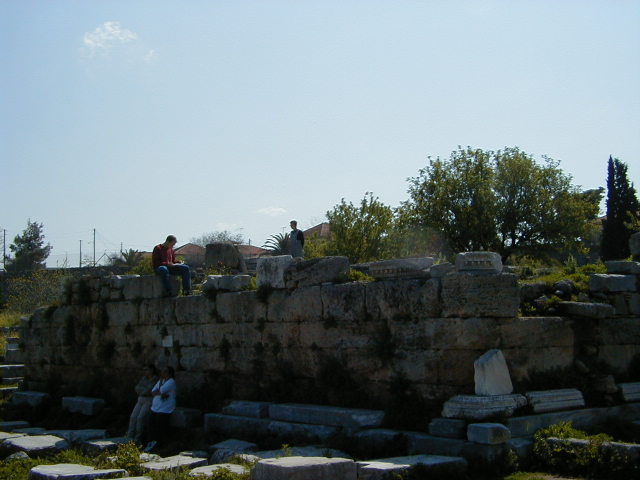 Mr. Hinrichs sits on the Bema from which the
Apostle Paul preached to the Corinthians when accused by Galilleo (the brother of Seneca)
and the Jews. See Acts 18:12
Mr. Hinrichs sits on the Bema from which the
Apostle Paul preached to the Corinthians when accused by Galilleo (the brother of Seneca)
and the Jews. See Acts 18:12
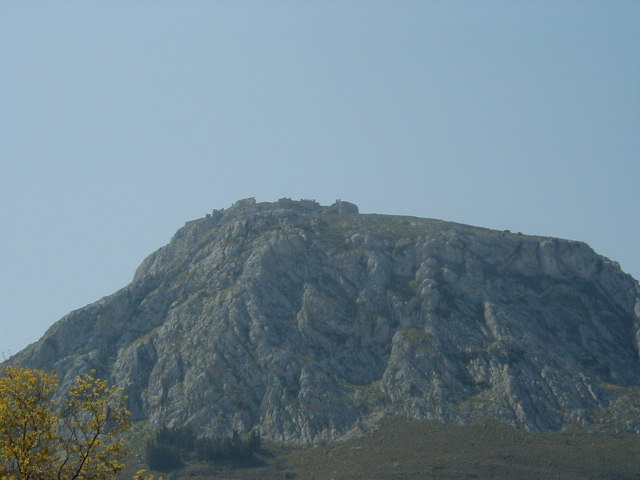 The Acro-Corinth. The Corinthian fortress
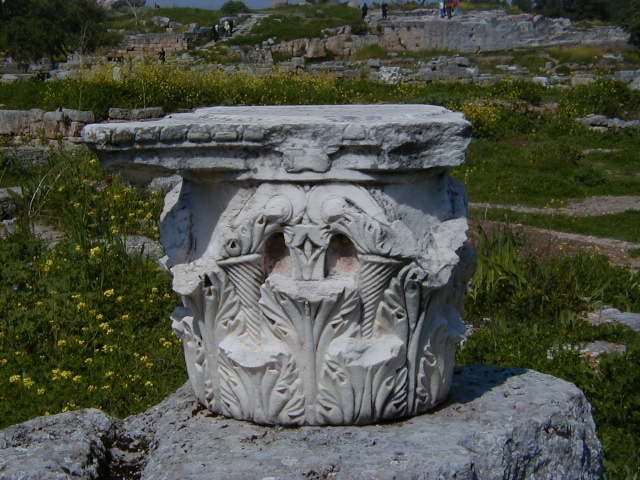
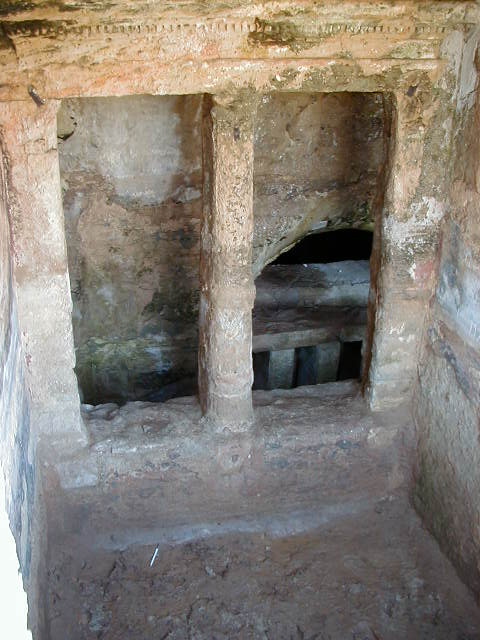 The Serene spring from which the Corinthian drew
their water. You can still hear the water!
The Serene spring from which the Corinthian drew
their water. You can still hear the water!
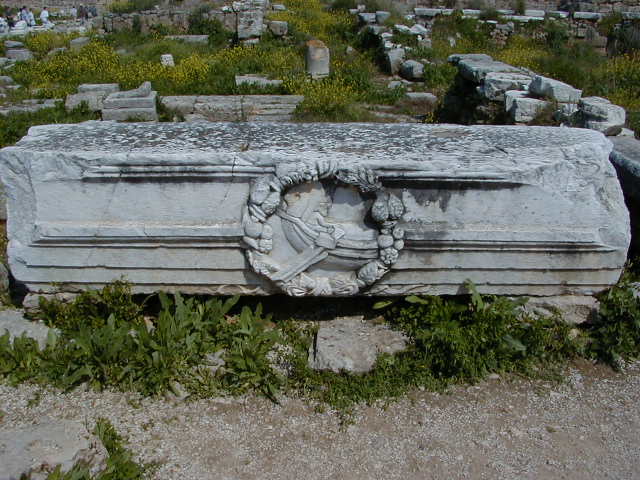 This decoration is very appropriate for the
Corinthian traders- a ship.
This decoration is very appropriate for the
Corinthian traders- a ship.
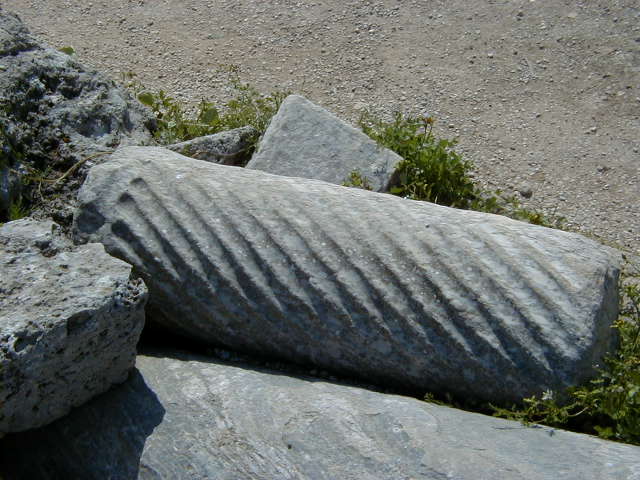
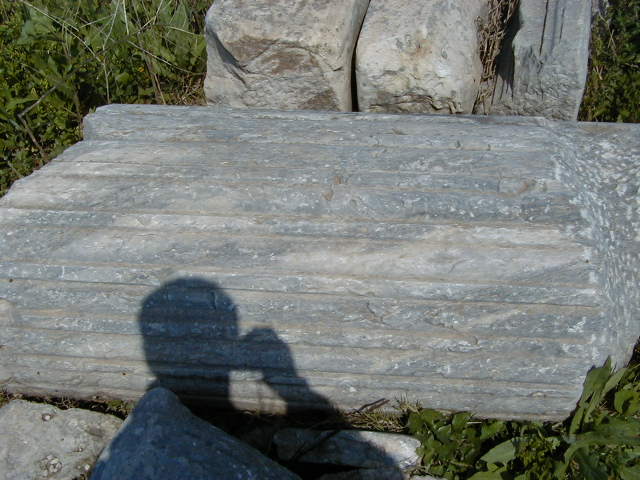 Two interesting variations on column fluting
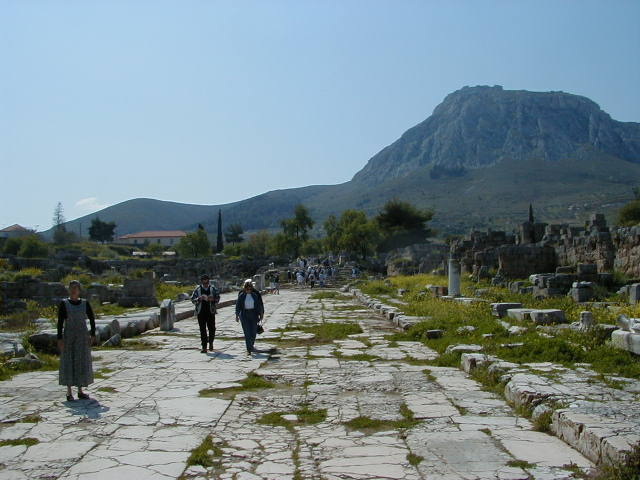 Road from the port leading up to the city
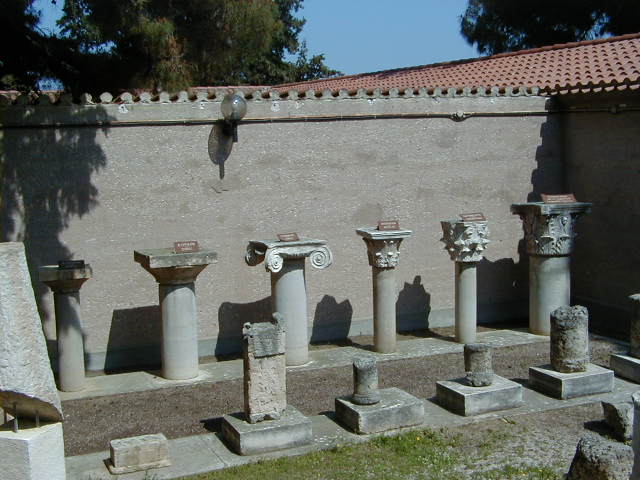 Examples of the various styles of capital.
The last on the right is a special form with a Chimera figure.
Examples of the various styles of capital.
The last on the right is a special form with a Chimera figure.
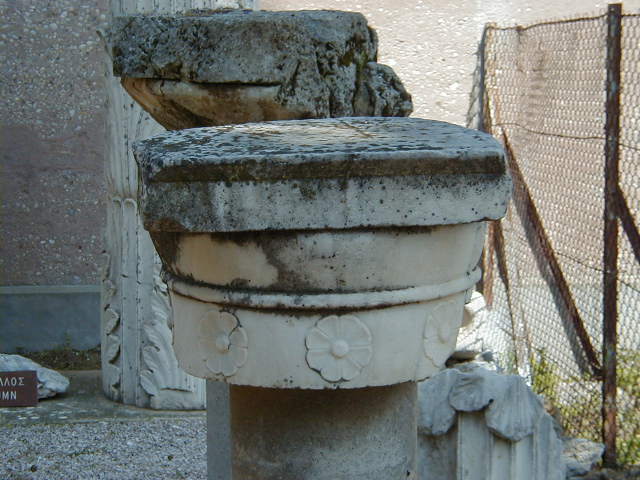 New style of column being developed for the
soon-to-be-released Spring collection.
New style of column being developed for the
soon-to-be-released Spring collection.
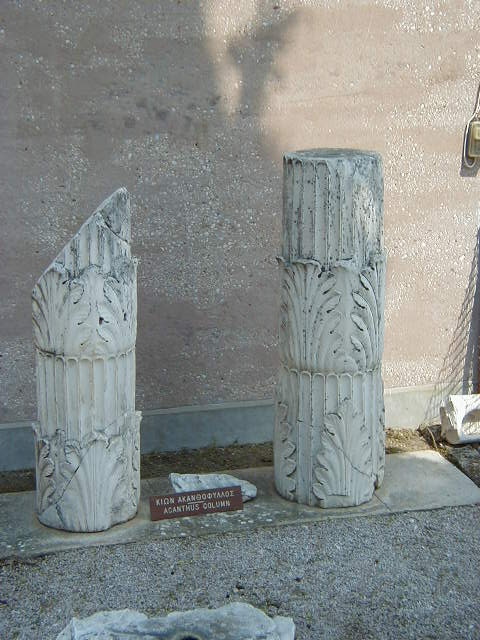 Ornamented columns
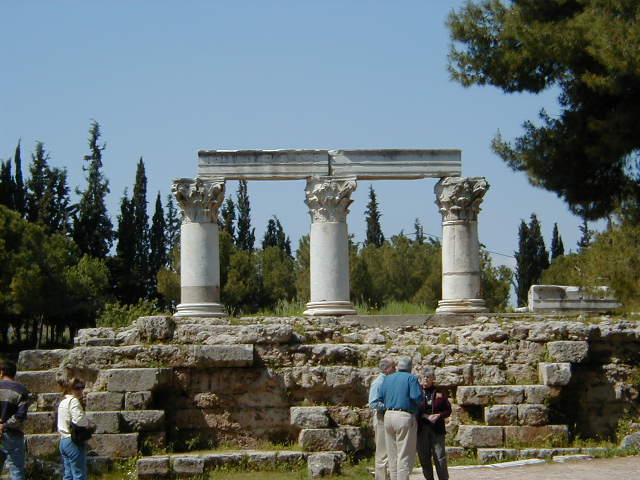
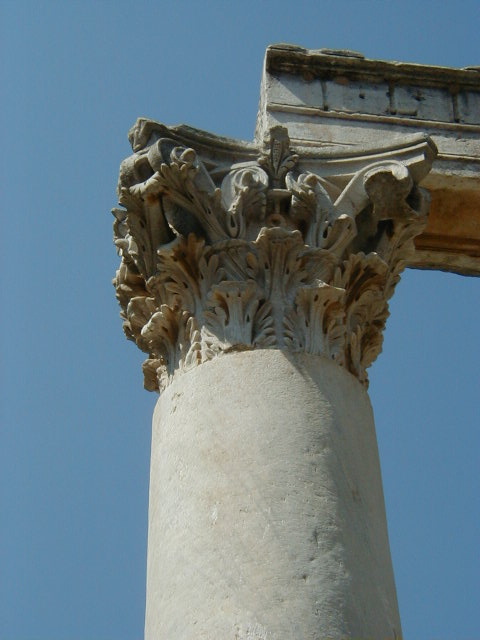 Temple of Octavia
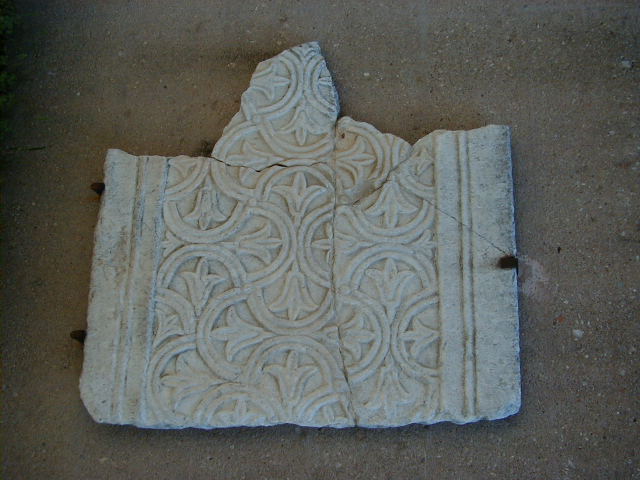 Marble decoration
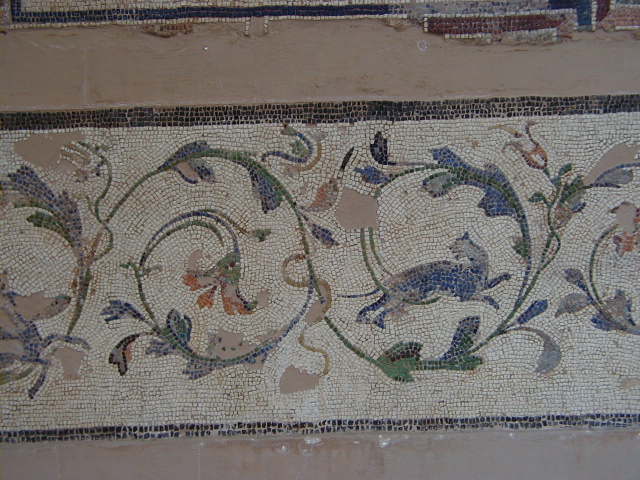
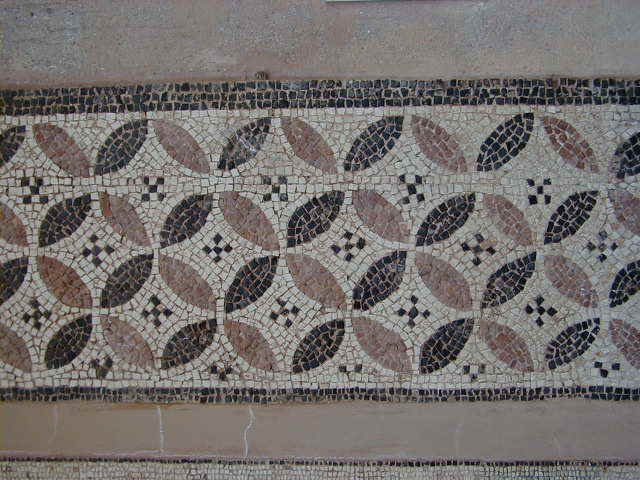 Examples of beautiful fresco border patterns
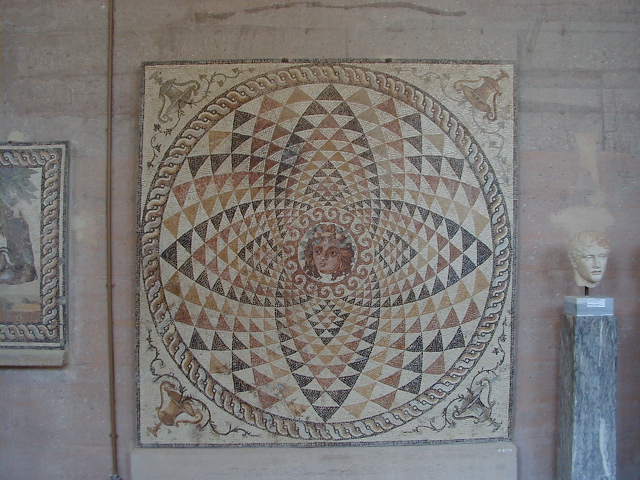
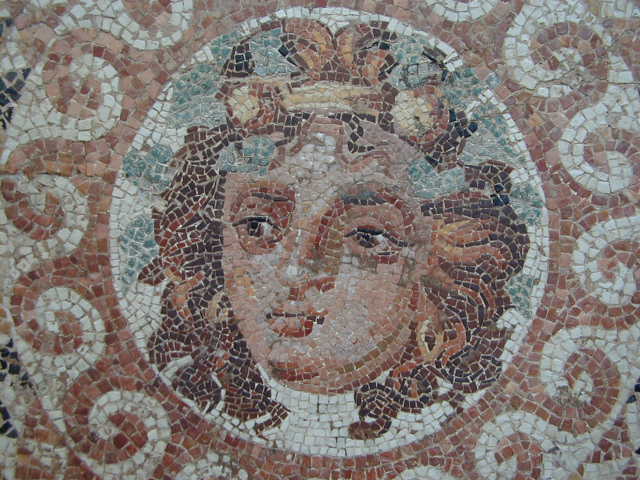 Bacchus fresco
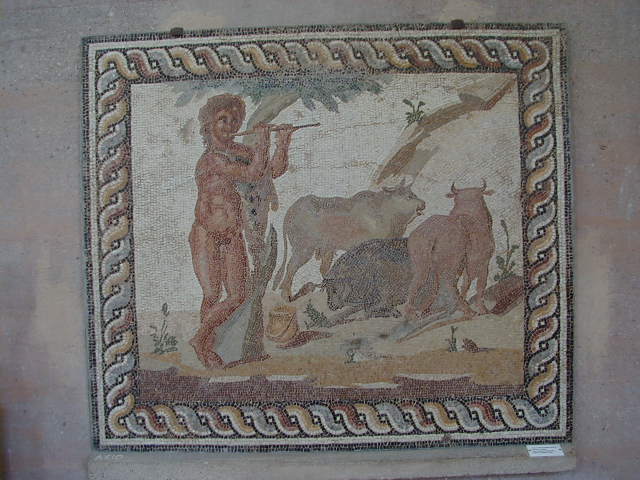 Shephard boy fresco
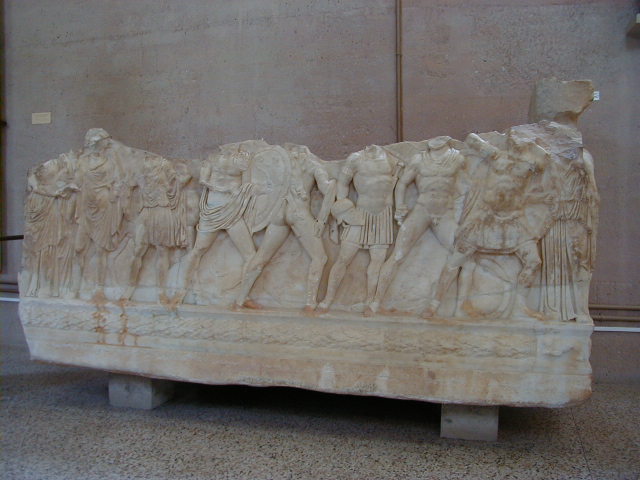 Roman basin
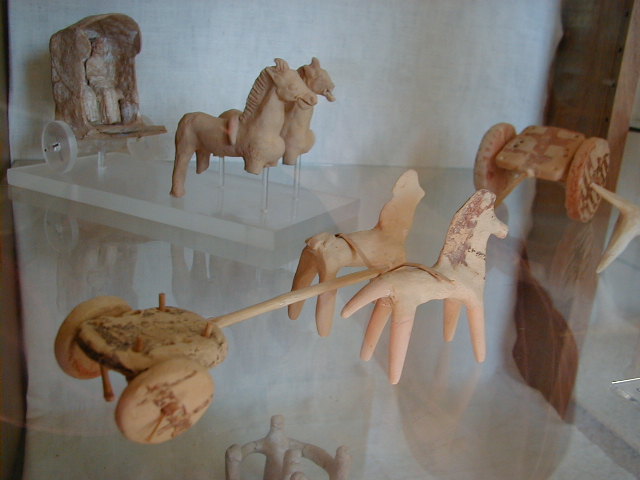 Early Greek toys
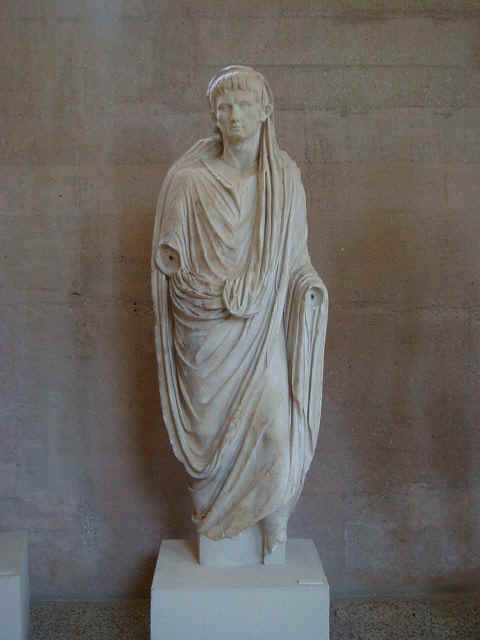 Augustus
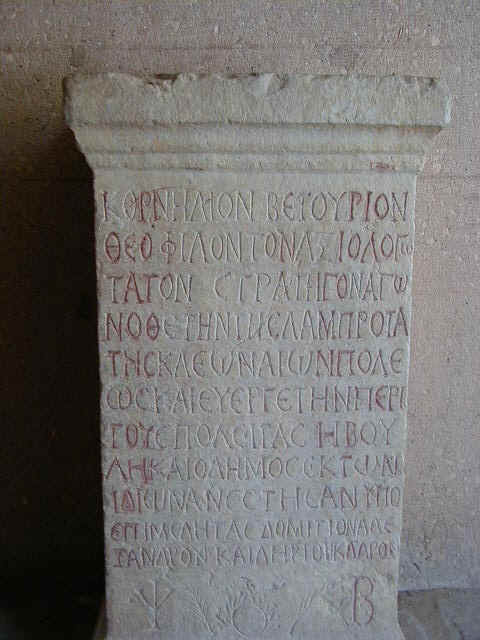 Greek inscription
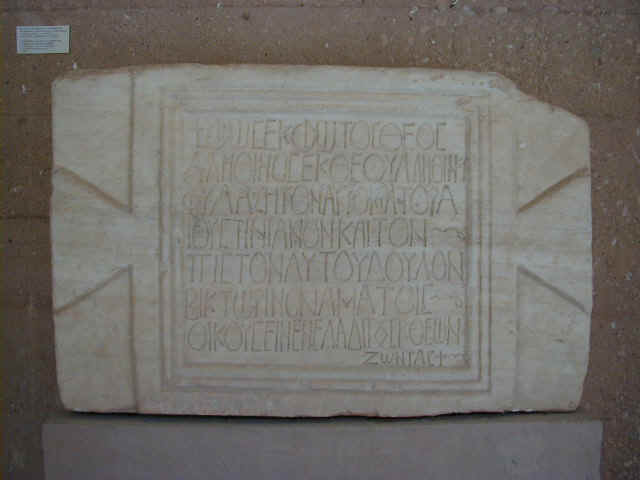 Early Christian prayer for the health of Justinian
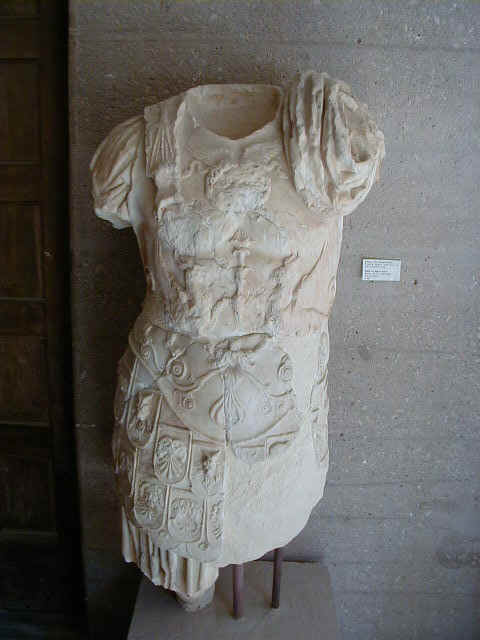
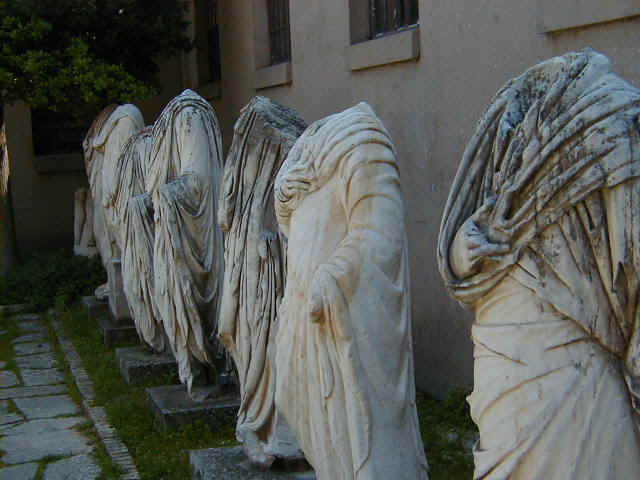
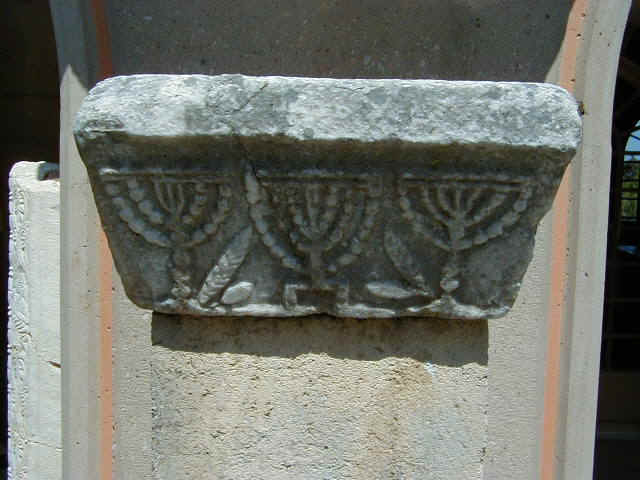
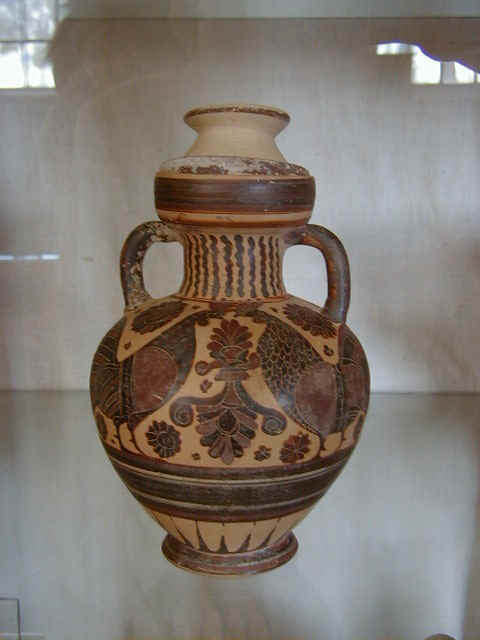
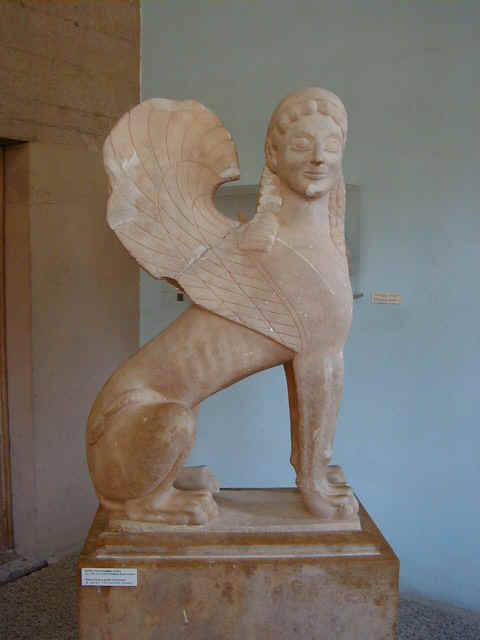 6th century B.C. Sphynx
Mycenae- the (supposed) Palace of Agamemnon
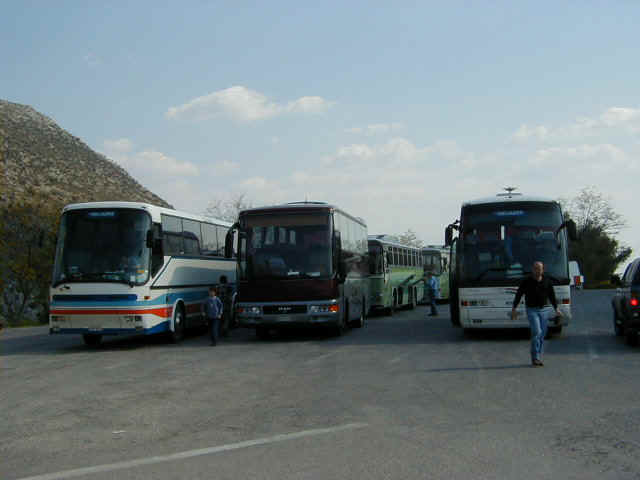 A few French friends decided to join us for the
afternoon
A few French friends decided to join us for the
afternoon
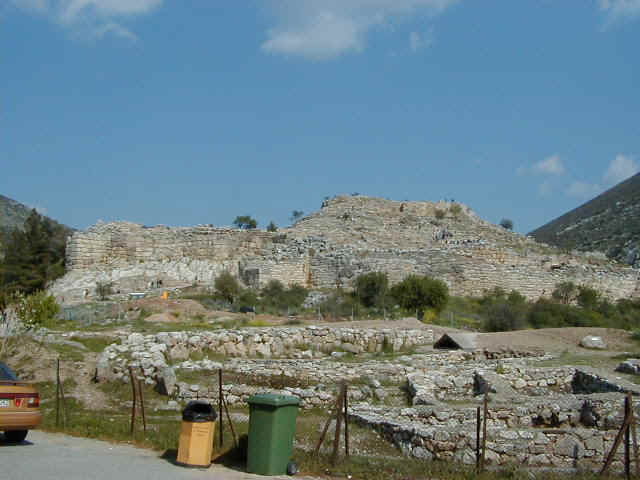 Mycenae, pronounced "Mikines" in modern
Greek. The are many differences between modern and ancient pronunciation.
Mycenae, pronounced "Mikines" in modern
Greek. The are many differences between modern and ancient pronunciation.
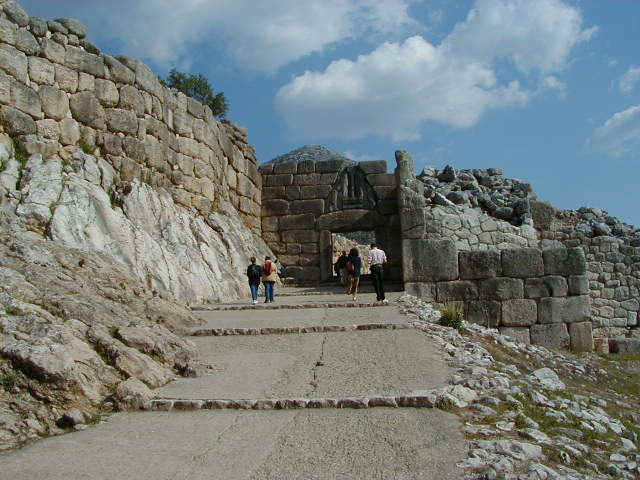
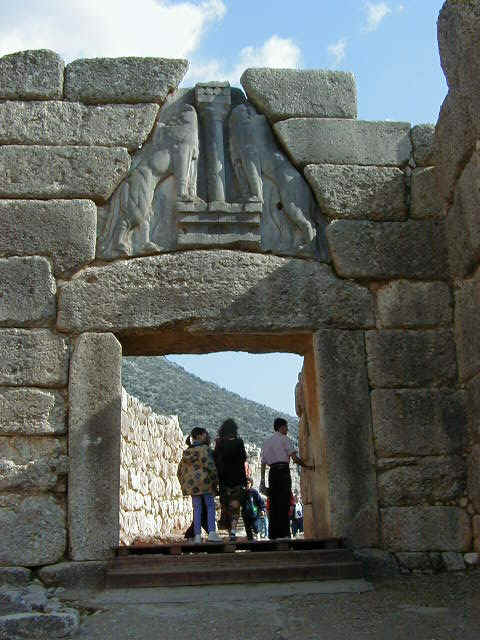 The Lion's gate
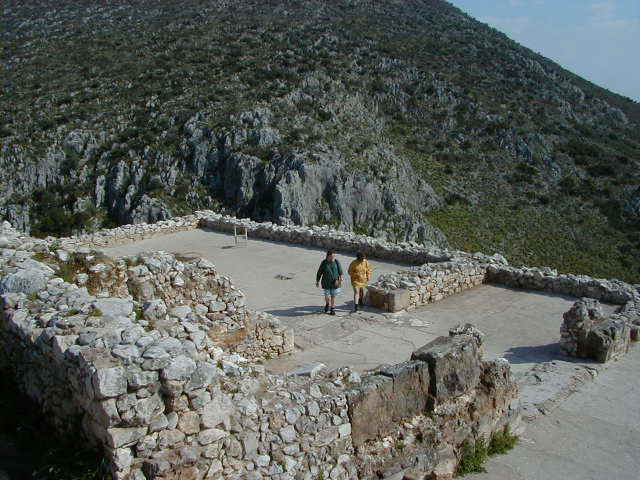 The palace on the summit
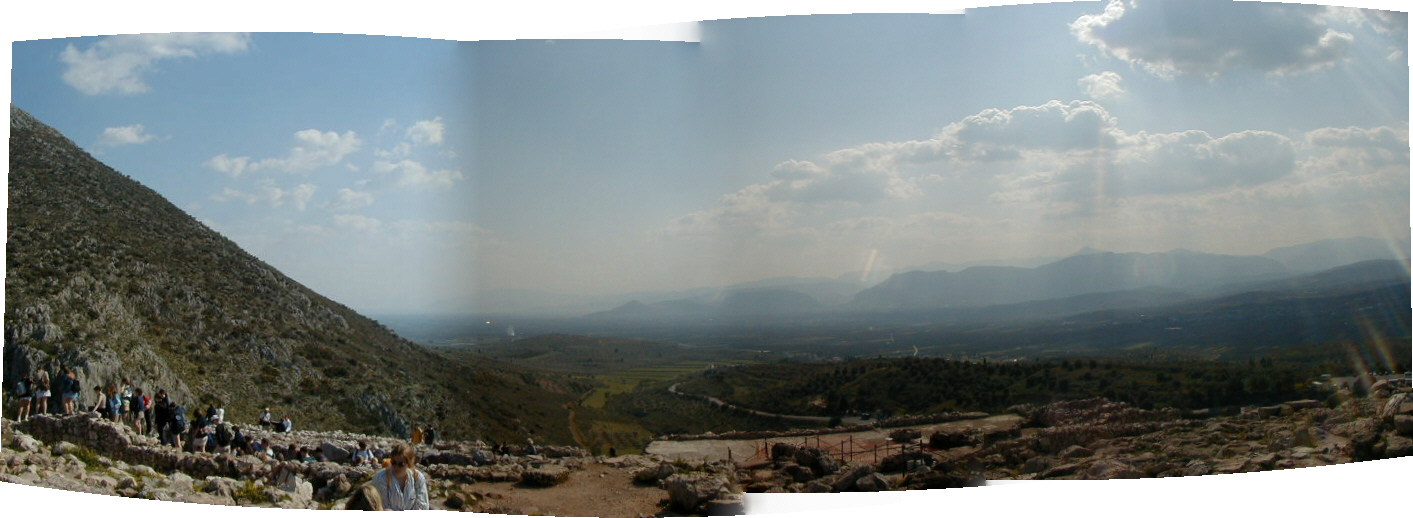 View from
Agamemnon's living room.
View from
Agamemnon's living room.
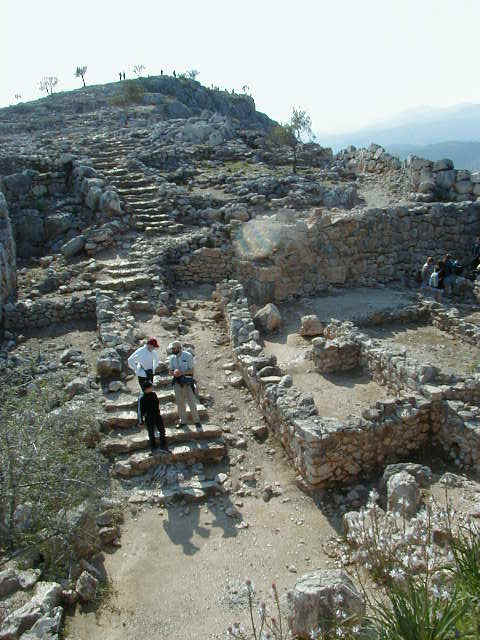
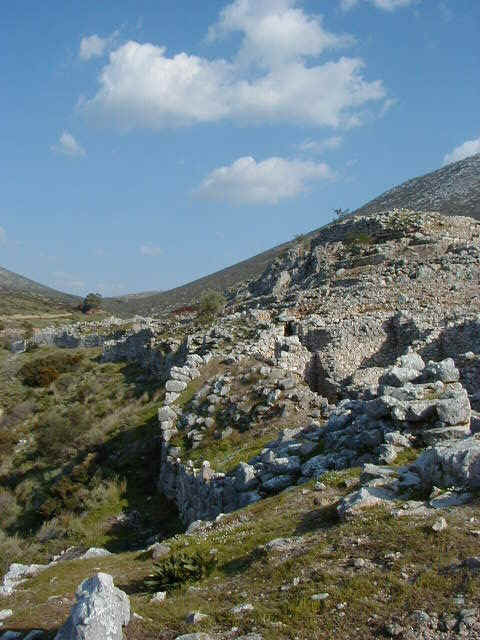
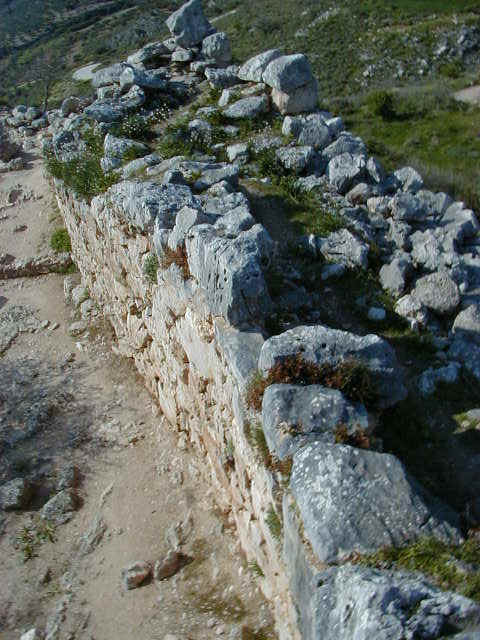
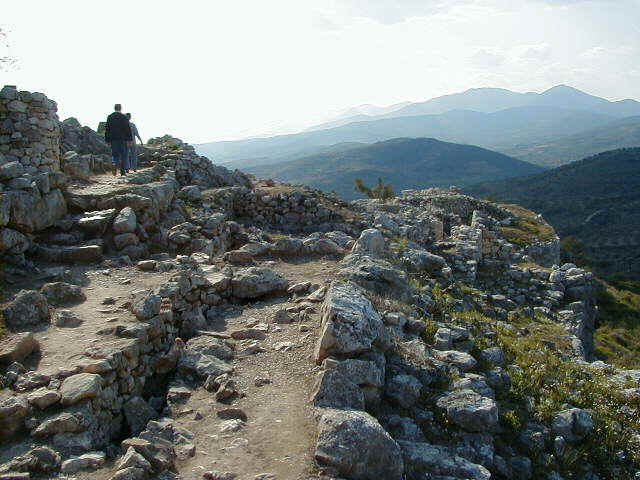
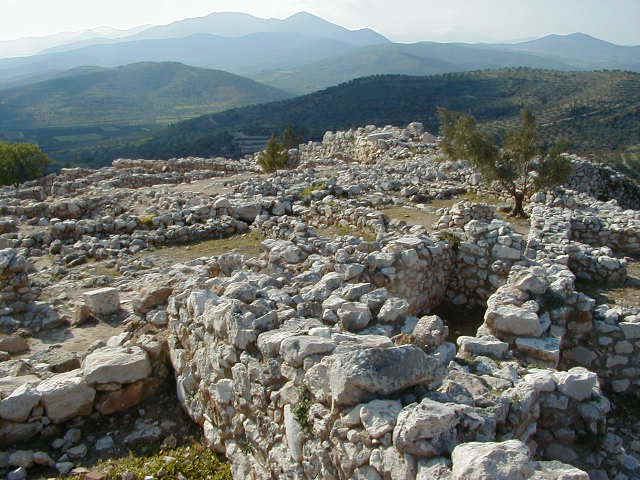 The walls around the fortress were twenty feet
thick! The interior of the walls was filled with dirt and rubble- not fitted stone
(a little shoddy if you ask me!).
The walls around the fortress were twenty feet
thick! The interior of the walls was filled with dirt and rubble- not fitted stone
(a little shoddy if you ask me!).
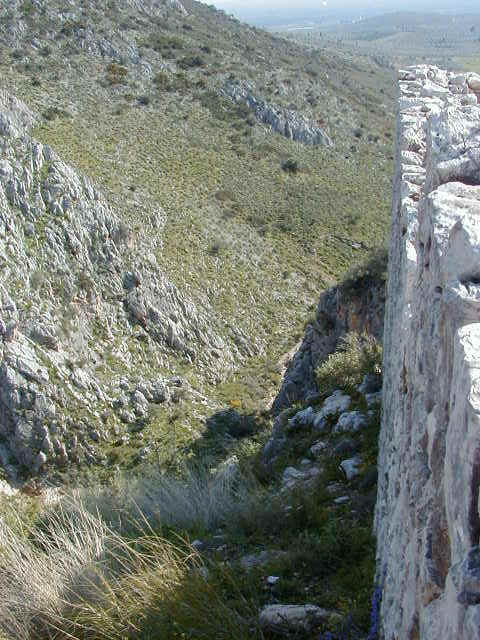 Can you imagine trying to attack this fortress?
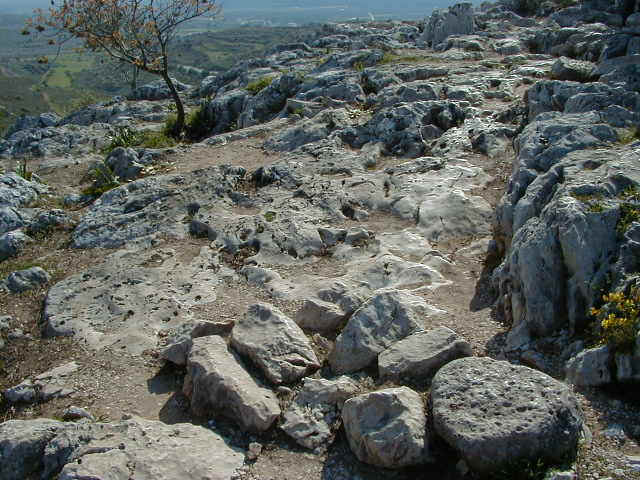 Marble in its natural state- in the ground.
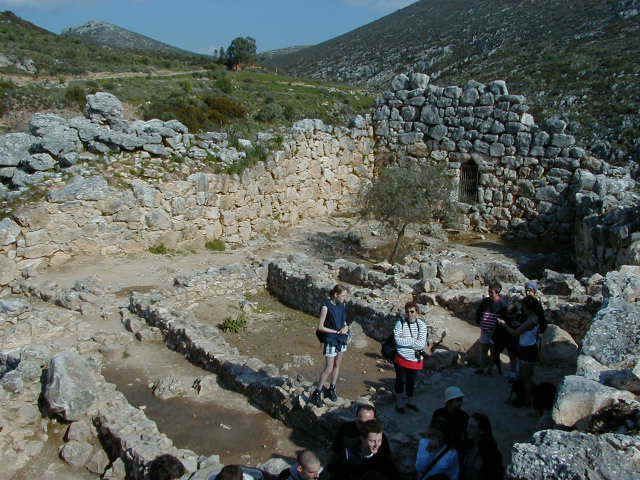
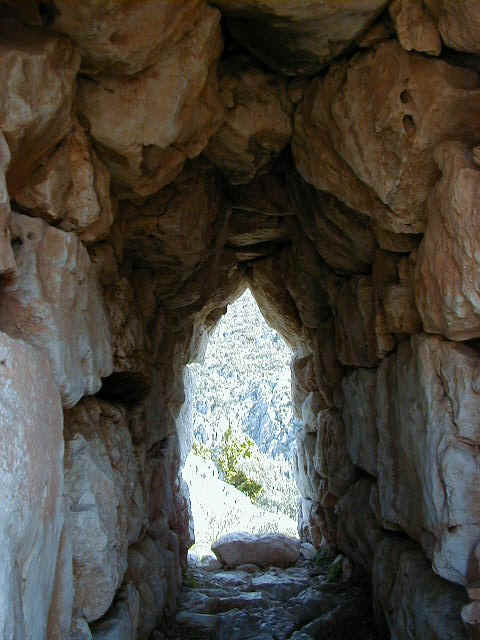 Agamemnon's back door
Back side of the palace
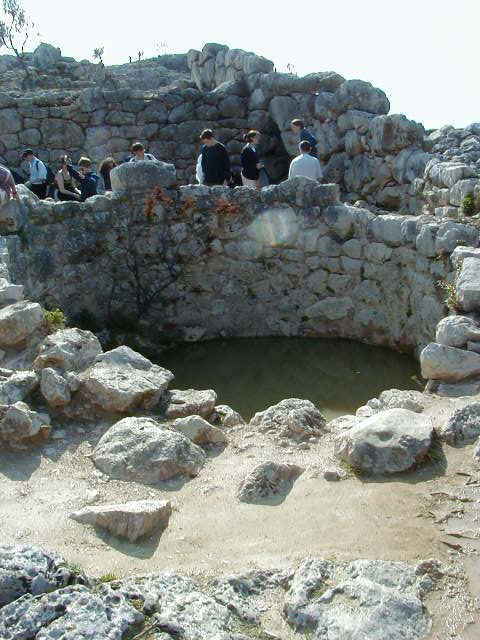 The cistern
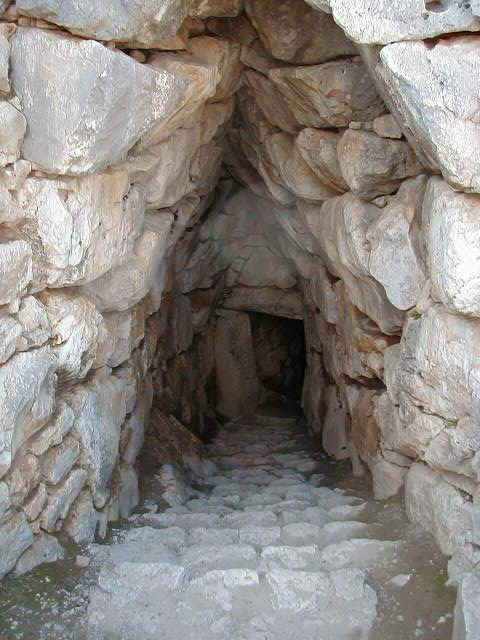
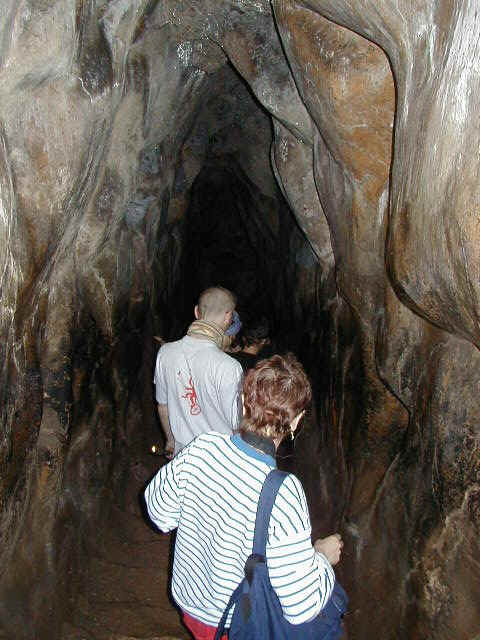
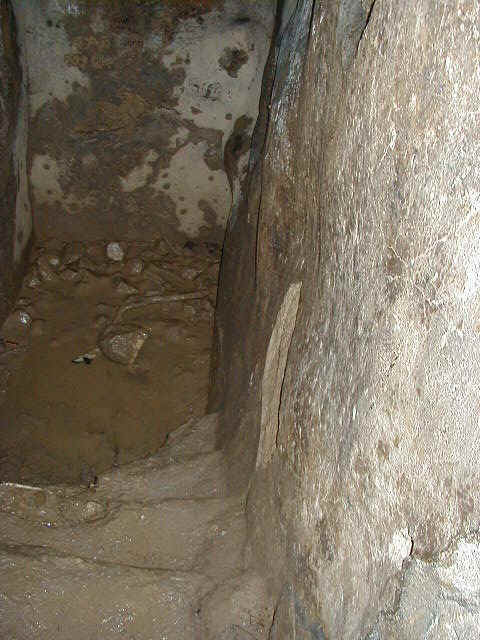 Down to the
cellar!
Down to the
cellar!
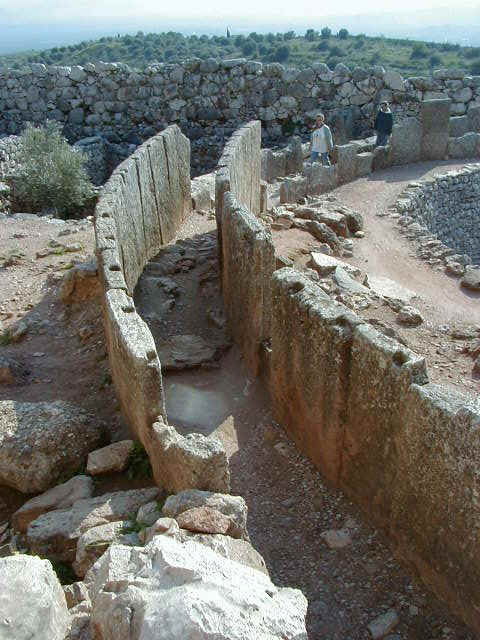
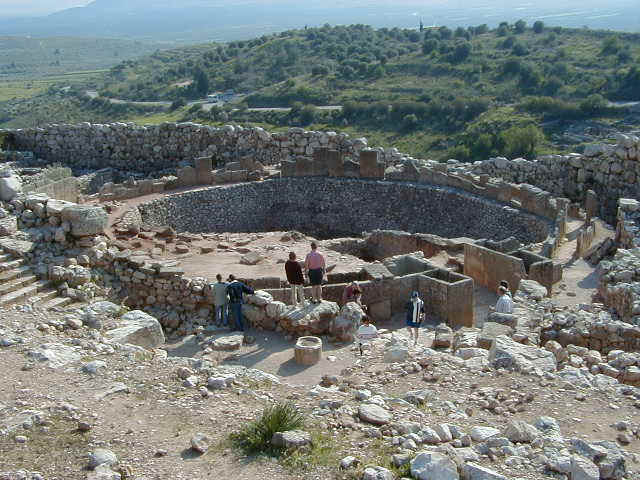 The grave circle- where Ernst Schliemann found the supposed death mask of
Agamemnon.
The grave circle- where Ernst Schliemann found the supposed death mask of
Agamemnon.
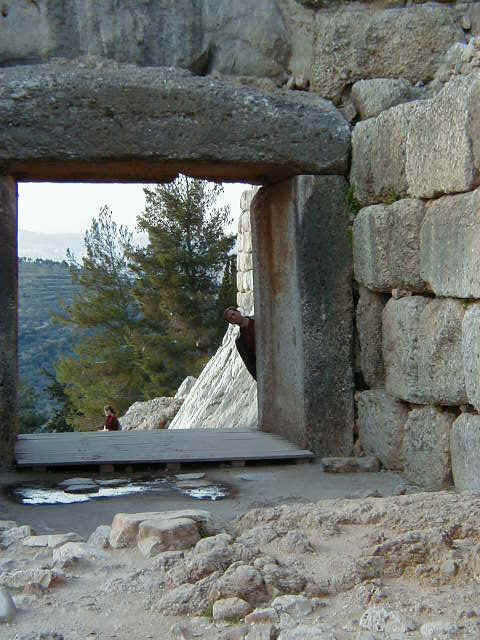 Clytemnaestra, you home, honey?
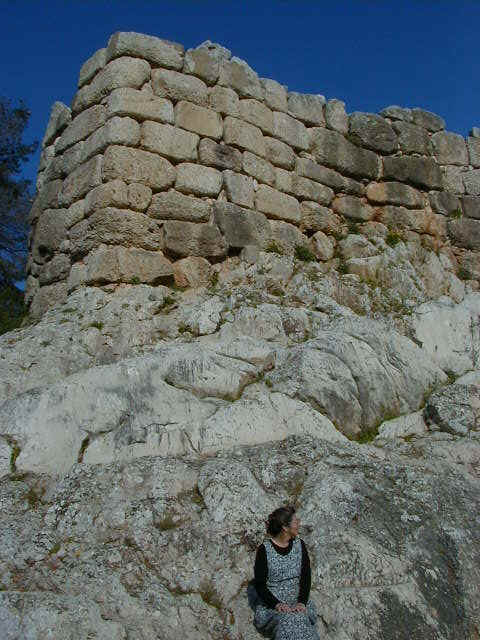 The walls were called cyclopean because the rocks
were so huge that it was thought they must have been placed by the giant cyclopae.
The walls were called cyclopean because the rocks
were so huge that it was thought they must have been placed by the giant cyclopae.
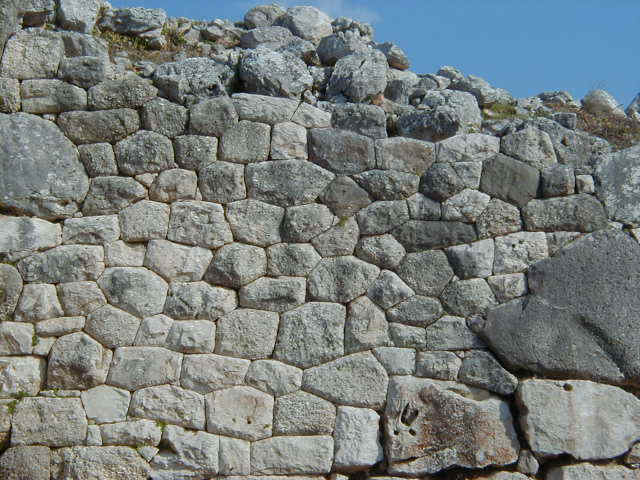 In may point of the wall, the rocks were not
closely fitted, however, there was flat ground in front of the wall at this point that
could have been used to set up a battering ram, so the rocks were cut to fit quite
tightly.
In may point of the wall, the rocks were not
closely fitted, however, there was flat ground in front of the wall at this point that
could have been used to set up a battering ram, so the rocks were cut to fit quite
tightly.
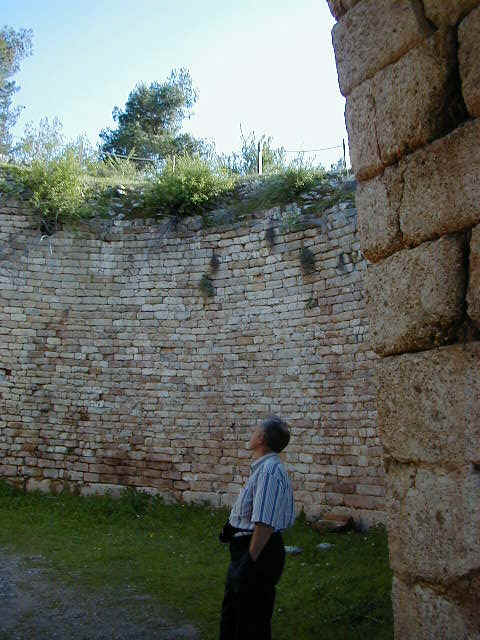 One of the many tholos style tombs. They one
is called the Tomb of the Lions and its top had fallen in.
One of the many tholos style tombs. They one
is called the Tomb of the Lions and its top had fallen in.
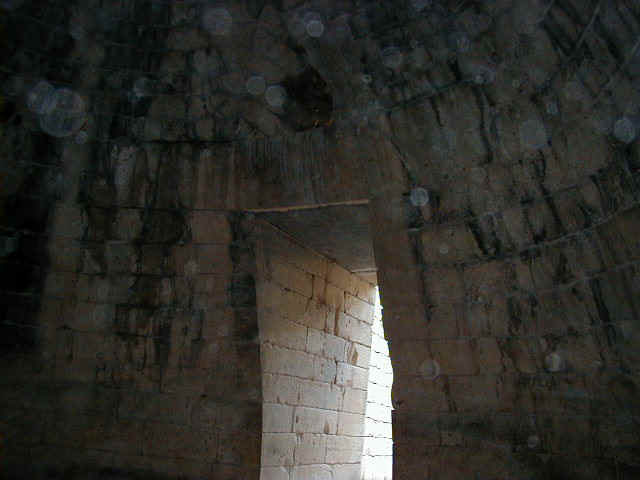
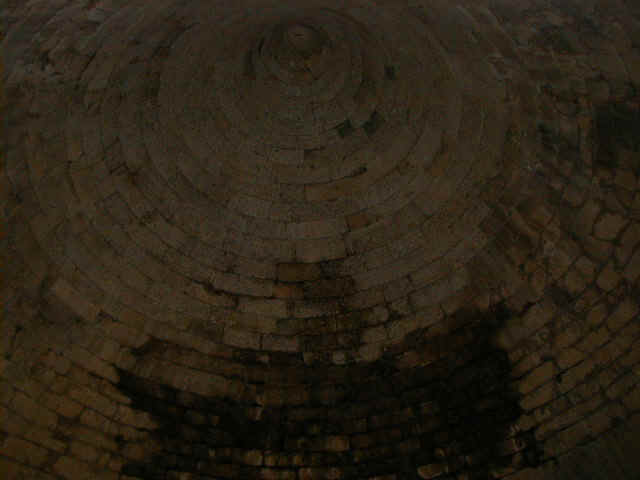 Ceiling in the Treasury of Atreus. This
tholos tomb was still intact. Notice what fine workmanship went into cutting each
stone.
Ceiling in the Treasury of Atreus. This
tholos tomb was still intact. Notice what fine workmanship went into cutting each
stone.
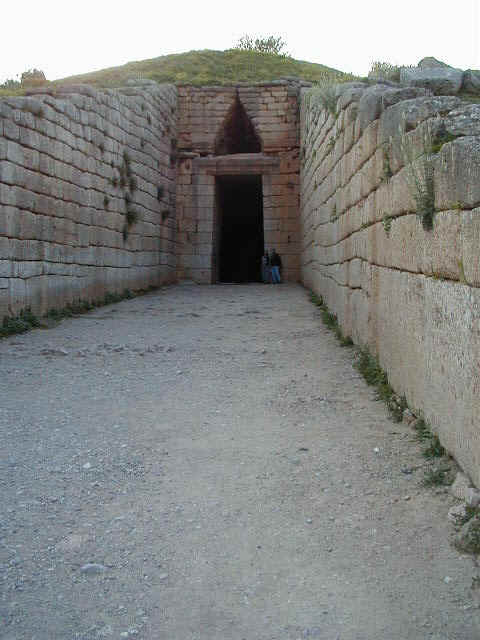
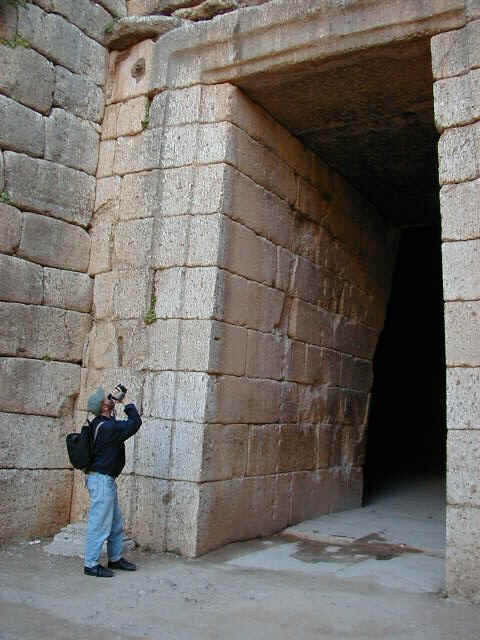 Entrance to another tholos tomb. Notice the thickness of the walls.
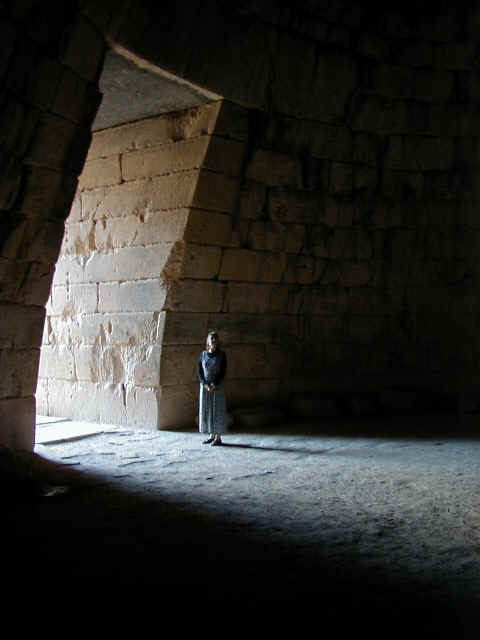 Notice the size of the stone over the entrance! Nearly thirty feet
across and six feet thick! Thinking about how the ancients were able lift such
a stone is so mind-numbing that you find yourself vulnerable UFO speculation. ;-)
Notice the size of the stone over the entrance! Nearly thirty feet
across and six feet thick! Thinking about how the ancients were able lift such
a stone is so mind-numbing that you find yourself vulnerable UFO speculation. ;-)
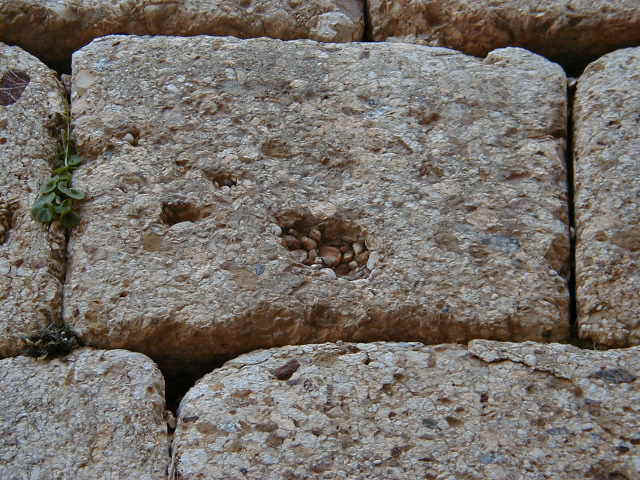 This stone had begun to decay and you can see that
it is actually composed of small river rocks. Most likely, the pressures of the
waters of the flood provided sufficient compression to make these composite stones.
This stone had begun to decay and you can see that
it is actually composed of small river rocks. Most likely, the pressures of the
waters of the flood provided sufficient compression to make these composite stones.